

Blog
In-Office Wound Care vs Home Treatment: Which Is More Effective?

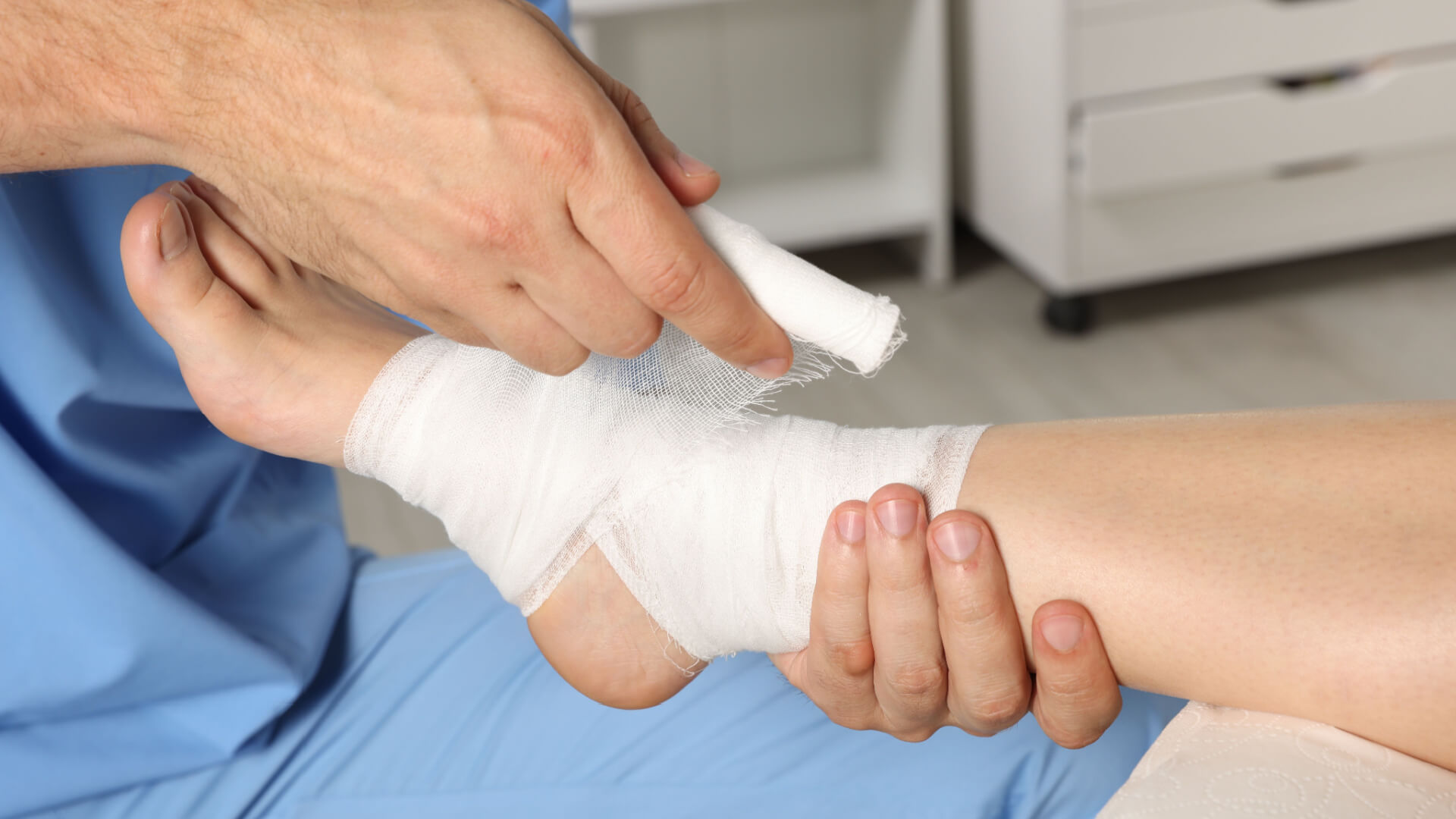
Wound care is a vital part of healthcare for patients with chronic conditions, injuries, or post-surgical needs. Many patients and clinicians wonder whether wounds heal better with in-office treatment or home-based care. Evaluating effectiveness requires considering wound complexity, patient needs, care protocols, and monitoring strategies.
Understanding In-Office Wound Care
What Is In-Office Wound Care
In-office wound care is delivered in clinics or specialized wound care centers. Patients benefit from a multidisciplinary team, advanced equipment, and structured follow-ups that ensure consistent wound management. Clinics offer controlled environments for procedures such as debridement, vascular assessment, and infection prevention.
For patients seeking expert supervision, In-Office Wound Care Services provide comprehensive care plans that optimize healing outcomes.
Benefits of Clinic-Based Care
Clinic care is particularly effective for high-risk wounds. These include deep ulcers, diabetic foot ulcers, surgical wounds, and wounds with infection or poor circulation. Clinics offer frequent assessment, access to specialists, and advanced diagnostic tools, making them the ideal setting for complex cases.
Understanding Home-Based Wound Treatment
What Is Home Wound Care
Home treatment involves care at the patient’s residence, delivered by visiting nurses or guided through telehealth support. Convenience and comfort make this option attractive, especially for patients with mobility challenges. Home care can be effective for moderate-risk wounds when protocols and monitoring are in place.
Advantages of Home Care
Home-based care offers patient comfort, reduced travel, and increased adherence for some patients. Digital tools such as telehealth check-ins and wound photography help clinicians monitor healing remotely. Clear escalation plans ensure timely transfer to clinic care if wounds fail to progress.
Factors Affecting Wound Care Effectiveness
Wound and Patient Complexity
High-risk wounds include those associated with diabetes, vascular disease, infection, or immunocompromised conditions. Low-risk wounds, such as superficial ulcers or early-stage surgical wounds, are often suitable for home-based care. Choosing the right setting depends on wound severity and patient health.
Quality of Care Protocols
Standardized protocols and structured documentation improve healing outcomes in both settings. Home care programs must incorporate clear guidelines, frequent monitoring, and escalation pathways to match the effectiveness of clinic care.
Access to Resources
Clinic care provides advanced tools and diagnostics that may not be available at home. Home programs can narrow the gap by integrating telehealth, mobile monitoring, and virtual consultations. Patients with moderate-risk wounds benefit most from these innovations.
Patient Engagement and Environment
A clean home environment and active caregiver support improve home care effectiveness. Clinics provide controlled sterile conditions and professional supervision. Patient adherence and engagement remain critical to healing outcomes in any setting.
Cost and Logistics
Home-based care reduces travel, facility fees, and disruption to daily life. Clinic care concentrates specialized care for complex wounds but may involve higher costs and travel. Decision-making should weigh cost, convenience, and expected outcomes.
Comparing Healing Outcomes
Moderate-risk wounds often heal effectively with home-based care supported by trained nurses and telehealth monitoring. High-risk wounds typically require in-office intervention to prevent complications such as infection, delayed healing, or non-healing ulcers. Both care models achieve positive results when protocols are followed and monitoring is consistent.
Decision Framework for Care Setting Selection
Step 1: Assess Wound Complexity
Complex wounds with high infection risk should be treated in-office. Stable, low-risk wounds may be managed at home safely.
Step 2: Evaluate Home Environment
Confirm caregiver support and the patient’s ability to follow treatment protocols. Assess cleanliness, lighting, and accessibility.
Step 3: Ensure Monitoring and Escalation
Home care requires structured monitoring and clear escalation criteria. Telehealth can facilitate timely intervention and reduce risk.
Step 4: Consider Cost and Convenience
Home care can reduce costs for moderate-risk wounds. Clinics remain the preferred choice for high-risk cases requiring advanced care.
Step 5: Reassess Healing Progress
Monitor wound progress every two to four weeks. Adjust the care setting if healing stalls or complications arise.
Practical Examples
Low-Risk Venous Ulcer
A mobile patient with a superficial venous ulcer can heal effectively at home with nurse visits and telehealth support.
Diabetic Foot Ulcer
A patient with poor circulation or signs of infection benefits from clinic care with specialized assessment and treatment.
Post-Surgical Wound in Homebound Patient
Structured home monitoring with clear escalation protocols allows safe home management while minimizing travel.
Integrating Technology in Wound Care
Home-based programs can leverage mobile apps for wound photography, digital checklists, and telehealth consultations. Standardized documentation and protocols ensure consistency. Technology enhances outcomes for moderate-risk wounds while alleviating pressure on clinics.
Addressing Common Misconceptions
Home care is not automatically cheaper or equally effective for all wounds. Clinics are not always superior for every patient. Telehealth alone does not replace professional oversight. Optimal healing requires careful patient assessment, adherence to protocols, and structured monitoring in either setting.
Future Trends in Wound Care
Telehealth, AI-driven monitoring, and portable diagnostics are expanding home care options. These innovations make it feasible to manage more complex wounds at home while maintaining patient safety. Value-based healthcare models will continue to promote efficient use of resources, supporting the appropriate use of both clinic and home-based care.
Conclusion
In-office and home-based wound care each offer unique advantages. Clinics provide advanced diagnostics, specialist expertise, and structured follow-up for high-risk wounds. Home care offers convenience, cost savings, and comfort for stable patients. Selecting the right approach depends on wound risk, patient needs, monitoring capability, and available resources. Following a structured framework ensures optimal healing, patient satisfaction, and efficient use of healthcare resources. For expert wound management, patients can rely on the Carter County Wound Care Center for comprehensive treatment and professional care.
Read More Blogs!
Stay updated with the latest blog posts and engage with our community.
Experience convenience and quality combined in wound care services like never before. Our mobile wound care is here to bring the highest level of treatment to your home, creating a whole new meaning to personalized healthcare. Ideal for patients with acute and chronic wounds, and especially those who find it challenging to travel to the clinic. Why settle for traditional, when you can have exceptional - your health, your terms.
Our mobile wound care service allows patients to receive top-notch care without having to arrange transportation to the office.
Patients have the unique opportunity to receive high quality wound care services in the comfort of their own homes.
We ensure that our homebound or otherwise constrained patients receive the same level of care as those visiting our office.